How to Balance a 15-Unit Load and a Social Life in College (Without Burning Out)

Balancing a 15-unit course load (typically 5 classes) and a social life requires intentional planning, prioritization, and flexibility.
By organizing your schedule, setting realistic boundaries, and making time for meaningful connections, you can stay on top of your academics while still enjoying social experiences without feeling overwhelmed or burned out.
What does a 15-Unit Course Load Actually Look Like?
A 15-unit semester typically means taking five classes, each requiring consistent attention throughout the week. While students often expect to spend about 15 hours in class, the real commitment comes from studying outside of it. Most courses require an additional 2 to 3 hours of work per unit, which brings the total academic time to roughly 45 to 60 hours per week. In many ways, that's the equivalent of a full-time job! Understanding this upfront helps set realistic expectations and prevents the common trap of underestimating how much time coursework truly takes.
What Is College Social Life Like?

A common question students ask is whether it’s possible to have a fulfilling social
life while managing a full academic schedule, and the answer is yes! Social life in
college often includes a mix of campus events, clubs, small group gatherings, and spontaneous moments with friends.
The key is finding what works for you. Some students thrive in large group settings,
while others prefer smaller, more intentional connections. There are always opportunities
to get involved; you just have to be intentional about choosing the right ones.
The Biggest Mistakes Students Make with a Full Course Load
- Overcommitting socially (saying yes to everything)
- Underestimating study time (cramming instead of planning)
- Skipping a structured schedule
- Sacrificing sleep to “fit it all in”
- Not adjusting during midterms/finals
Balance isn’t about perfection—it’s about intentional trade-offs. Learning to say no, even occasionally, is a key part of protecting both your academic performance and your well-being.
Managing Time Effectively
Successfully balancing academics and a social life starts with strong time management. When your schedule is clearly mapped out, it becomes easier to stay on track and avoid last-minute stress.
Key strategies include:
- Keeping a consistent calendar for classes, deadlines, and commitments
- Carving out dedicated study blocks each week
- Breaking large assignments into smaller, manageable tasks
- Building in buffer time for unexpected responsibilities
- Setting realistic daily and weekly goals
Prioritization
Not everything will hold the same level of importance and that’s okay. Learning how to prioritize helps you focus your energy where it matters most while still leaving room for social connection.
Consider the following:
- Identify your academic “non-negotiables” (exams, major assignments, group projects)
- Choose social activities that align with your interests and values
- Learn to say no when your schedule feels overloaded
- Balance short-term fun with long-term goals
- Re-evaluate priorities weekly as your workload shifts
Tips to Balance Courses with Social Life:
- Focus on effective time management. Use a planner or digital calendar to map out classes, assignments, and study sessions, then intentionally schedule social time so it becomes part of your routine rather than an afterthought.
- Prioritize what matters most. You don’t need to attend every event or social outing. Choose the ones that genuinely interest you and spend time with people who recharge your energy. This helps maintain a healthy balance without overcommitting.
- Combine academics with social interaction. Study groups or casual study sessions with friends can make coursework feel more engaging while still keeping you productive.
- Protect your sleep schedule. Maintaining balance means recognizing when you need rest. Getting enough sleep and allowing for downtime will help you stay focused, energized, and ready to manage both your academic and social commitments.
A Realistic Weekly Schedule for a 15-Unit Student
Here's what a balanced week might actually look like:
Monday - Friday
- 3-4 hours of classes per day
- 4-6 hours of studying/homework
- 1-2 hours for meals + breaks
- 1-2 hours for social time, workouts, or campus life activities
Weekend
- 6-10 hours total studying
- 6-12 hours social/free time
- Rest + reset for the week
For example, a typical Monday might include classes late morning through early afternoon, followed by a few hours of studying before dinner with friends in the evening. By contrast, a Saturday might include a focused 3- to 5-hour study block earlier in the day, leaving the rest of the afternoon and evening open. Structuring your time this way helps ensure that both academics and social life have a place in your week, rather than competing for it.
Study Tips for Staying on Track
Staying academically strong doesn’t mean sacrificing your social life, it just requires smart strategies.
Helpful study tips include:
- Studying in focused intervals (like the Pomodoro technique)
- Finding a consistent study environment that minimizes distractions
- Using study groups to stay accountable and engaged
- Reviewing material regularly instead of cramming
- Taking advantage of academic support resources when needed
What Makes Balancing College Life Easier at Pepperdine
At Pepperdine University, students benefit from an environment that naturally supports balance. Smaller class sizes make it easier to connect with professors and stay engaged, while the strong sense of community encourages meaningful relationships. The campus itself also plays a role, having access to outdoor spaces with ocean views that make for beautiful study spots and opportunities to reset during busy days.
Best Study Spots at Pepperdine
Payson Library
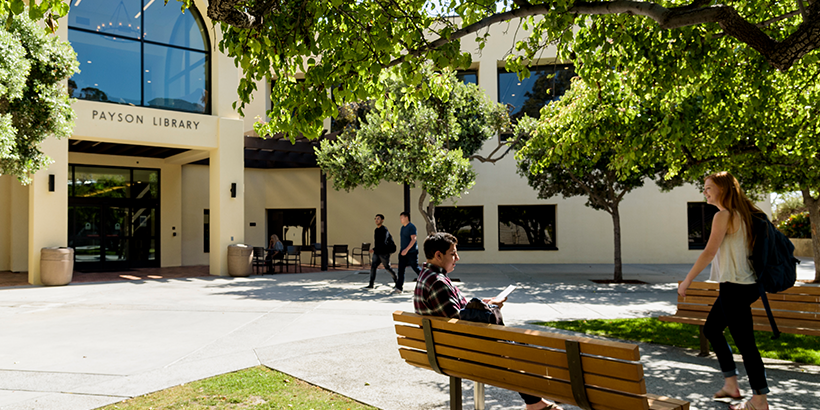
Located in the heart of main campus, the recently redesigned Payson Library offers something for every type of student. For students who work best in a quiet environment, a no-talking room fosters focus and concentration without audible distractions. For those working together, plenty of tables invite collaboration with classmates and friends. Book a study room for a guaranteed spot or snatch an oversized chair near one of the fireplaces to stay warm while you write a paper.
Starbucks & The Hub Patios
For students who prefer a more social atmosphere, the patios near Starbucks and the Hub provide a balance between productivity and connection. These spaces are ideal for group work or casual study sessions, especially when you want a change of pace from traditional indoor environments.
Alumni Park

Alumni Park offers one of the most scenic study locations on campus. Studying outdoors with ocean views can make even a busy day feel more manageable, and it’s a great option for reading, reviewing notes, or taking a mental break.
Drescher and Law Libraries
Whether you decide to hike the hill or hop on the shuttle, the Drescher Graduate Campus Library or the Harnish Law Library provide quiet environments. Both libraries are typically open later than Payson on Saturdays to allow you to stay in the study groove longer.
Bonus: Ralph's Beach
Commonly referred to as Ralph’s Beach, the public entrance to the beach behind Ralph’s grocery store off PCH is the ideal off-campus study spot. Grab a blanket and your class notes for a study session complete with views of the ocean and the sounds of crashing waves.
Summary and Key Takeaways
Balancing a 15-unit course load and a social life isn’t about finding perfect equilibrium every day. Instead, it’s about building a sustainable rhythm that allows both academics and relationships to coexist. By planning your time intentionally, spreading out your workload, and protecting your energy, you can avoid burnout while still making the most of your college experience.
Your college experience at Pepperdine is designed to support both your academic and personal growth. From academic support services to student organizations and campus events, Pepperdine has countless opportunities to help you thrive.
If you’re interested in diving deeper into academic programs and the undergraduate student experience at Pepperdine University, take the next step and discover what your college journey could look like.